
Understanding the Purpose of Barcodes in Food Packaging and Manufacturing
November 5, 2025
From Factory to Pharmacy: The Barcoding Standards That Keep Drugs Safe
December 31, 2025
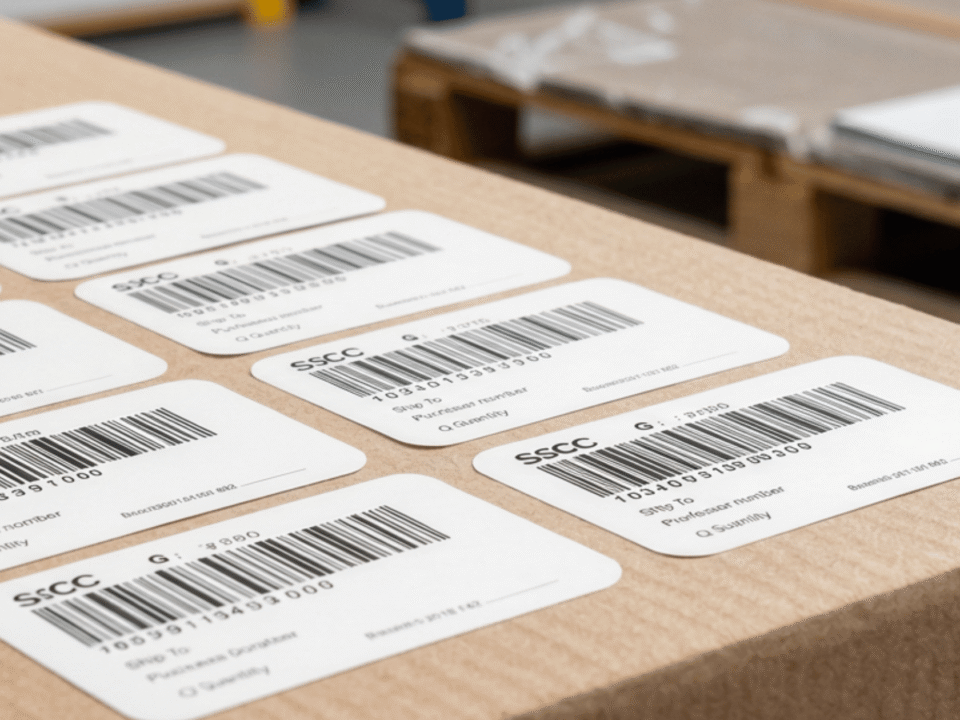
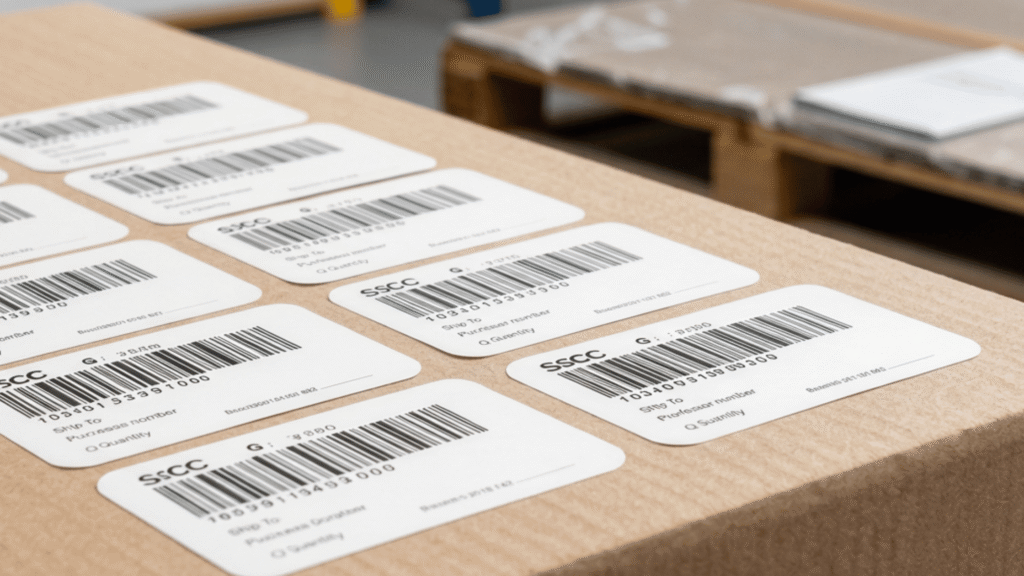
Choosing the right packaging for your product supports how it moves through the supply chain and how it performs once it reaches stores. Retailers expect clear barcode labels that scan the first time. Packaging influences that outcome more than many new brands realize. When your packaging design aligns with GS1 standards, your UPC barcodes become easier for scanners to read in different environments. A strong packaging choice protects your product from delays, scanning failures, and costly relabeling.
How Packaging Influences Barcode Performance
Packaging determines the quality of the surface that holds your barcode. Flat and smooth areas help maintain the shape of the bars. Curved bottles, thin pouches, and textured surfaces can interfere with the scanner’s ability to capture the full symbol. Light reflections from glossy materials also reduce contrast. Scanners work best when dark bars are set against a light background, with clear, quiet zones on each side. If the packaging artwork crowds the code, those margins shrink, and scanning accuracy drops.
The structure of your packaging matters as well. Rigid boxes keep the barcode consistent during shipping and storage. Pouches may bend under pressure, which can distort the printed bars. If your packaging lacks a stable area for barcode placement, you may face problems during checkout or inventory management. Thinking about this early helps you avoid repeated design fixes later.
Understanding GS1 Requirements During Packaging Selection
GS1 standards guide companies in creating and placing UPC barcodes on packaging. These standards support trading partners throughout the supply chain. When you prepare your packaging, make sure it has space for the full barcode at the correct size. Shrinking or stretching the symbol changes the relationship between the bar height and width. That small change can make the code fail.
GS1 barcodes require high contrast. Printing bars in black, dark blue, or dark green helps scanners read the symbol. A light background supports clarity. If your package is clear, a printed white patch behind the barcode protects it from blending into the product. These steps improve scanning results from warehouses to retail checkout.
How Packaging Types Affect Barcode Placement
Your packaging choice affects where you can place your barcode. Boxes offer the most flexibility because they provide broad, flat areas. Bottles and jars limit your placement options since curved surfaces reduce the available scanning window. Blister packs give you a smooth print area, but you still need to keep the code away from folds and sealed edges. Pouches may require reinforced sections to maintain a readable surface.
Your packaging also affects how products sit inside shipping cases. During receiving, scanners read case labels and sometimes read individual units as well. Packaging that supports visibility from different angles helps your trading partners move products faster through their systems.
Avoiding Common Packaging Mistakes
Many problems come from misunderstandings about barcode placement and color. Some brands place the barcode too close to the edge of the packaging. That reduces the quiet zones, leading to inconsistent scanning. Others choose bar colors that scanners cannot detect. Reds and browns often disappear under red scanning light. Artwork placement can cause trouble if graphics surround the code and distract the scanner.
Textured materials also affect print quality. If the ink spreads or pools, the bars lose their clean shape. Reviewing samples at full size helps you identify these issues before you finalize the packaging.
Working With Packaging Suppliers to Support GS1 Compliance
Strong communication with your packaging supplier helps you protect your barcode from common risks. Share your barcode artwork at the beginning of the design process. Ask how the final material will influence printing. Confirm that the sample matches the final production quality. If any part of the symbol looks distorted, correct it before printing a whole batch.
Suppliers familiar with GS1 standards can help you build reliable packaging. If your supplier lacks experience with barcode placement, guide them through the spacing and contrast requirements. This prevents reprints and delays once you begin distributing products.
Preparing for the Transition to 2D Barcodes
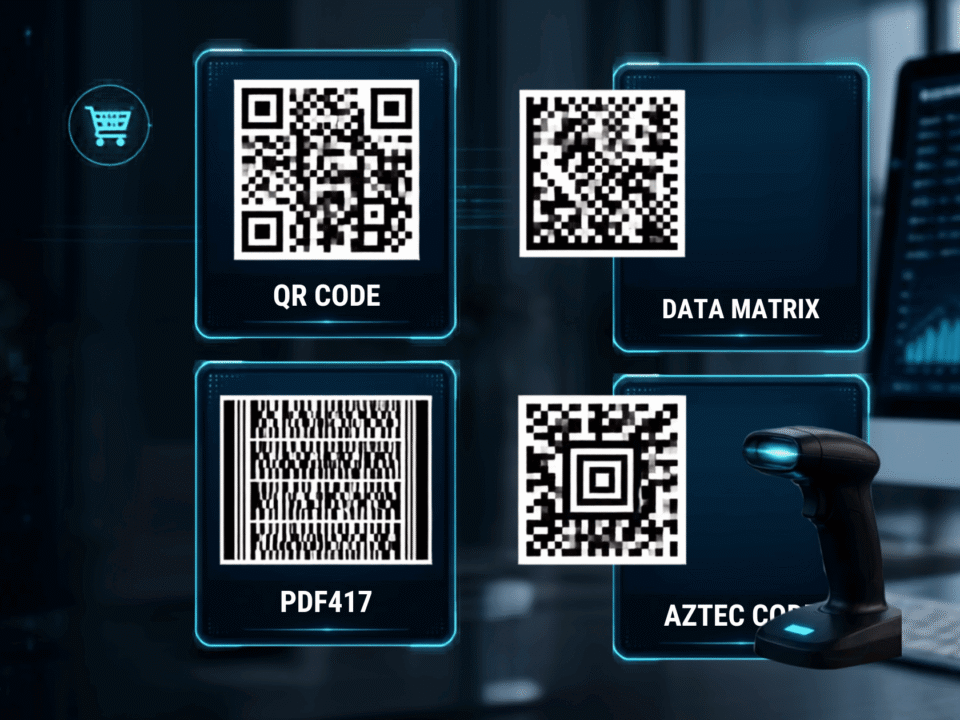
The industry is moving toward 2D barcodes that store more information. Your packaging should accommodate these expanded codes. Many retailers expect dual marking during the transition period. Planning for extra space today prevents the need for another redesign when 2D barcodes become required. A flexible packaging layout supports the next stage of GS1 standards, helping your product remain ready for future supply chain updates.
Checklist for Choosing Packaging That Supports GS1 Standards
Your packaging should have enough space for proper barcode placement, a strong contrast between bars and background, and stable surfaces that scanners read without difficulty. The right combination helps your product move through warehouses and retail locations with fewer issues. It also shows trading partners that your brand understands the importance of accurate identification.
Why Smart Packaging Choices Matter
Choosing the right packaging for your product with GS1-compliant barcodes protects your product from scanning failures and reduces the chance of relabeling. When your packaging design supports correct barcode placement and color contrast, your product becomes easier to process across the entire supply chain.
Support for Your Barcode and Packaging Needs with AccuGraphiX
AccuGraphiX offers high-quality barcode labels that follow GS1 standards and print clearly on a wide range of packaging materials. If you want help aligning your packaging with reliable barcode performance, our team can guide you through the process. We can also walk you through common packaging challenges and help you avoid issues that slow down product launches.
Reach out to learn how our solutions support smoother scanning, fewer errors, and better results for every product you release.