
Choosing the Right Packaging for Your Product With GS1-Compliant Barcodes
November 22, 2025
Why do Different Types of Barcodes Exist for the Same Purpose?
January 25, 2026
Pharmaceutical products move through a long distribution chain, and each transfer depends on authentic identification. Barcodes give every product a clear record that supports tracking, safety checks, and inventory control.
They also mitigate errors during dispensing and documentation. When a product is mislabeled or hard to read, the chance of a mix-up increases. Standards guide how information must appear and how each scan should perform.
Regulatory Frameworks That Shape Pharmaceutical Barcode Standards
Multiple agencies and industry groups establish standards for pharmaceutical barcodes, including rules for data structure, layout, and performance expectations.
FDA Requirements
The FDA requires machine-readable information on certain human drug and biological products. These barcodes assist patient safety by helping to ensure that the right medication is given to the correct patient. The National Drug Code must be displayed in a legible format, and labelers must adhere to precise specifications for placement and print quality.
Drug Supply Chain Security Act
The DSCSA introduced serialization across the pharmaceutical production chain. Every package and case must carry a product identifier that includes a serial number, lot number, expiration date, and a standardized numeric identifier. The data allow manufacturers, distributors, and dispensers to monitor movement from production to final distribution. Serialization also helps detect counterfeit products and safety recalls.
GS1 System Standards in Healthcare
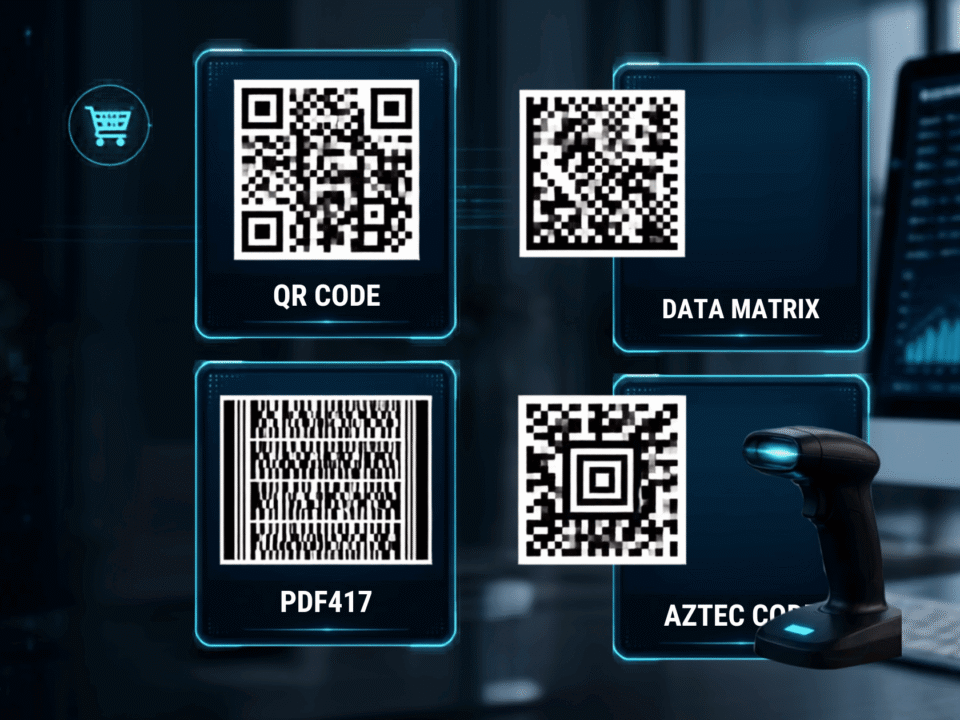
The GS1 system specifies how healthcare products are identified throughout global supply chains. It outlines how a product’s Global Trade Item Number is encoded and how supporting information, such as expiration dates and lot numbers, is recorded together. GS1 DataMatrix is the primary symbol for pharmaceutical items because it holds multiple data elements in a compact format. Healthcare organizations rely on these standards for consistent scanning.
Data Elements Required in Pharmaceutical Barcodes
A compliant pharmaceutical barcode includes explicit data that supports tracking and verification.
National Drug Code
The NDC identifies the product, its manufacturer or labeler, and its formulation. It is one of the core identifiers used throughout the supply chain. Including it in a barcode gives healthcare systems a reliable way to match product information in their records.
Lot Numbers
Lot numbers support recall management and quality tracking. If a safety concern emerges, the lot number identifies which units were affected. Encoding the lot number in the barcode reduces the chance of manual errors during checks.
Expiration Date
The expiration date helps prevent the use of an outdated medication. Encoding the expiration date in a machine-readable format enables automated checks during dispensing and inventory reviews.
Serial Numbers
The DSCSA requires unique serial numbers on prescription drug packages. These serial numbers help verify authenticity and strengthen traceability. A unique number also prevents duplicates from entering the supply chain.
Barcode Types Used in Pharmaceutical Products
Different codes appear in healthcare settings, though one format has become the main choice for packaging.
GS1 DataMatrix
GS1 DataMatrix carries the information needed for DSCSA and global healthcare standards. It encodes the GTIN, serial number, lot number, and expiration date in a compact symbol. It scans well on curved or small surfaces, which makes it suitable for vials, syringes, and cartons.
Linear Barcodes
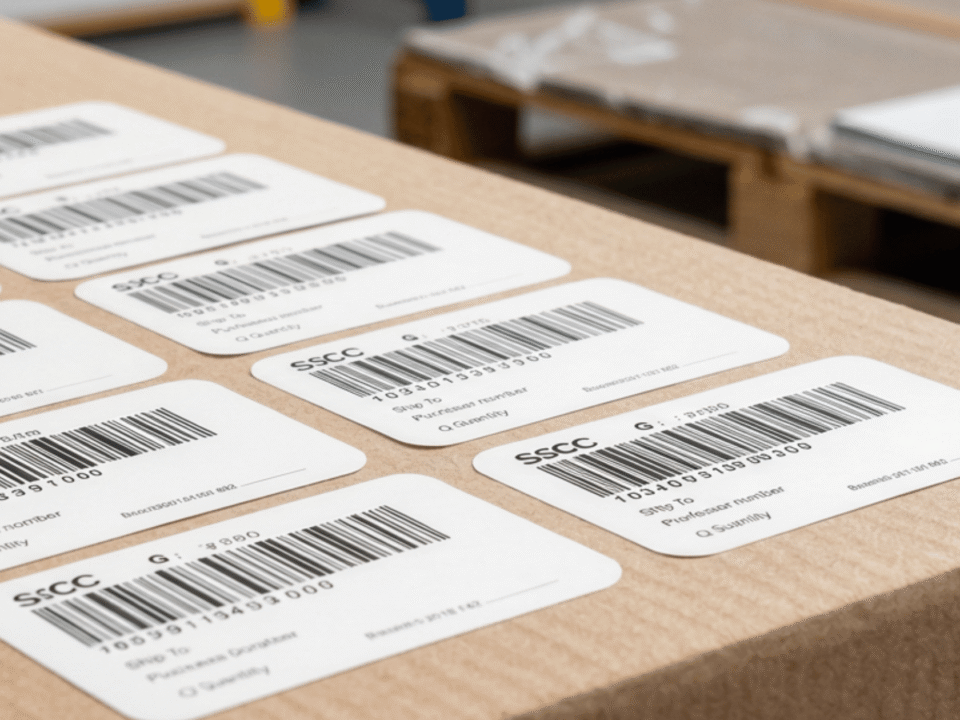
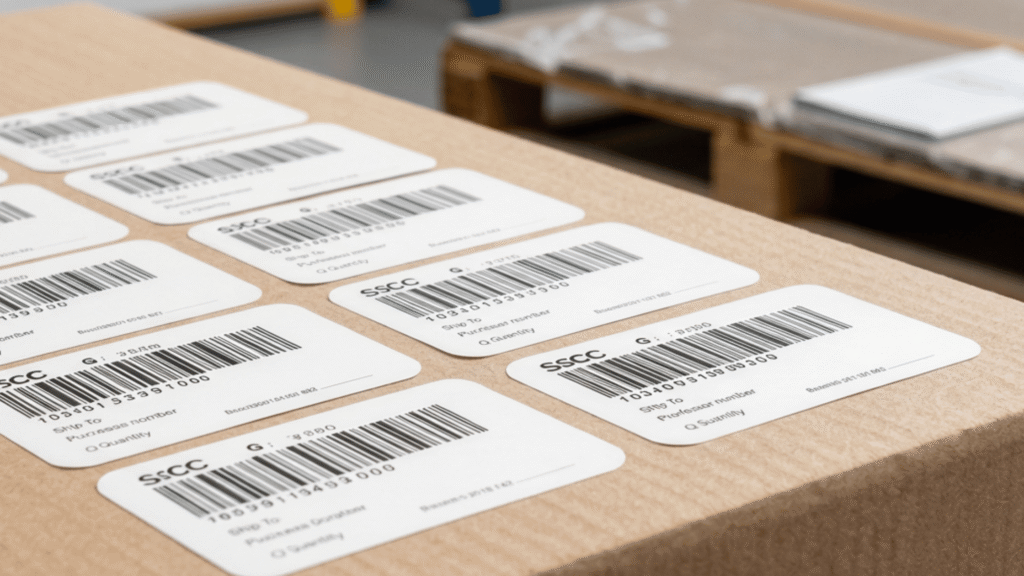
Some packaging still uses linear formats for basic identification or when space allows. They can hold data such as the NDC. Most pharmaceutical products now rely on GS1 DataMatrix because it supports multiple data elements.
Labeling and Placement Expectations
Label placement affects how reliably scanners read each code. Standards call for a consistent location on the package, clear quiet zones, and proper orientation.
Manufacturers must use print methods that produce strong contrast and clean edges. A barcode that smears or fades can fail verification. Proper print density ensures the symbol scans correctly in storage, distribution, and clinical environments.
Verification and Barcode Quality Grading
Verification checks whether a printed barcode meets technical and readability requirements. These tests measure contrast, edge sharpness, and symbol structure. Grading systems confirm that every printed symbol is scannable throughout the supply chain. Regular verification reduces errors, prevents delays, and supports compliance with DSCSA and GS1 standards.
Impact of Standards on Safety and Supply Chain Execution
Standards create consistency across products and systems. They support clear tracking during distribution, strengthen recall response, and reduce medication errors. They also streamline record keeping because each scan provides accurate product information. That level of consistency helps every stakeholder maintain confidence in the data they use for daily operations.
Main Steps for Implementation by Manufacturers
Manufacturers need to select the correct barcode type for each product, apply the required data accurately, and confirm consistent placement. They also need reliable printing and verification processes to maintain quality. Routine audits help ensure the labeling workflow stays aligned with FDA and GS1 expectations as requirements evolve.
Stronger Barcode Solutions for Pharmaceutical Products
If you handle pharmaceutical packaging or labeling, get compliant barcodes you can trust. AccuGraphiX offers certified GS1 barcode solutions, expert barcode verification, and fast custom label printing that support NDC, lot number, expiration date, and serialization needs. Visit bar-code.com or call 714-632-9000 to order GS1- and DSCSA-ready barcodes for your products.