
Holiday Shipping Tips to Stay Ahead of the Holiday Rush
September 3, 2025
Choosing the Right Packaging for Your Product With GS1-Compliant Barcodes
November 22, 2025
Barcodes are used for food packing to keep food safe, make tracking easier, and improve how products move through the food supply chain. Every package needs to display accurate product information, such as expiration dates, lot numbers, and product origin. We will explore the nature of barcodes, their operational uses, and their function in food manufacturing.
What a Barcode Actually Is (and Isn’t)
A barcode is a printed pattern that stores product information in a format readable by computers. When a barcode is scanned, the system instantly shows data such as product type, batch, or date. Barcodes let businesses manage data at once and reduce human error.
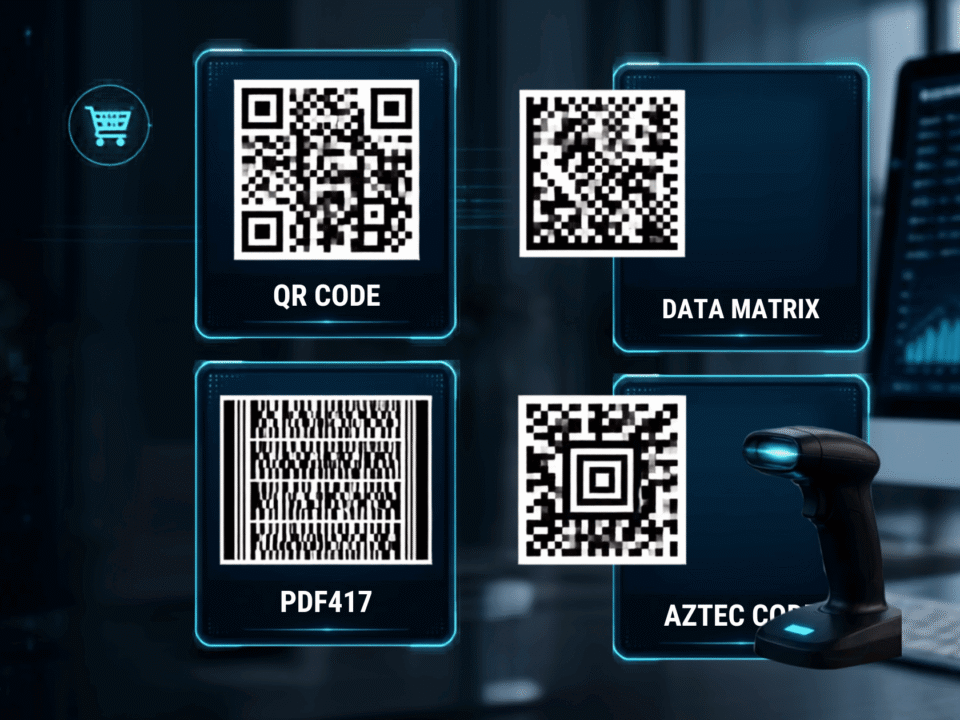
There are two forms of barcode format. One-dimensional barcodes, or 1D barcodes, show data in parallel lines and store simple information like a product ID. Dimensional 2D barcodes can hold more details, including batch numbers or nutritional data. These newer barcodes support enhanced traceability and quality control across the food supply chain.
Types of Barcodes on Food Packaging
Different barcode types appear on food packaging depending on how and where the product is used.
Universal Product Code (UPC): Common in North America, this code appears on almost every retail food product. It helps track products during checkout when scanned at the point of sale.
EAN: The European Article Number is similar to the UPC and used for international trade.
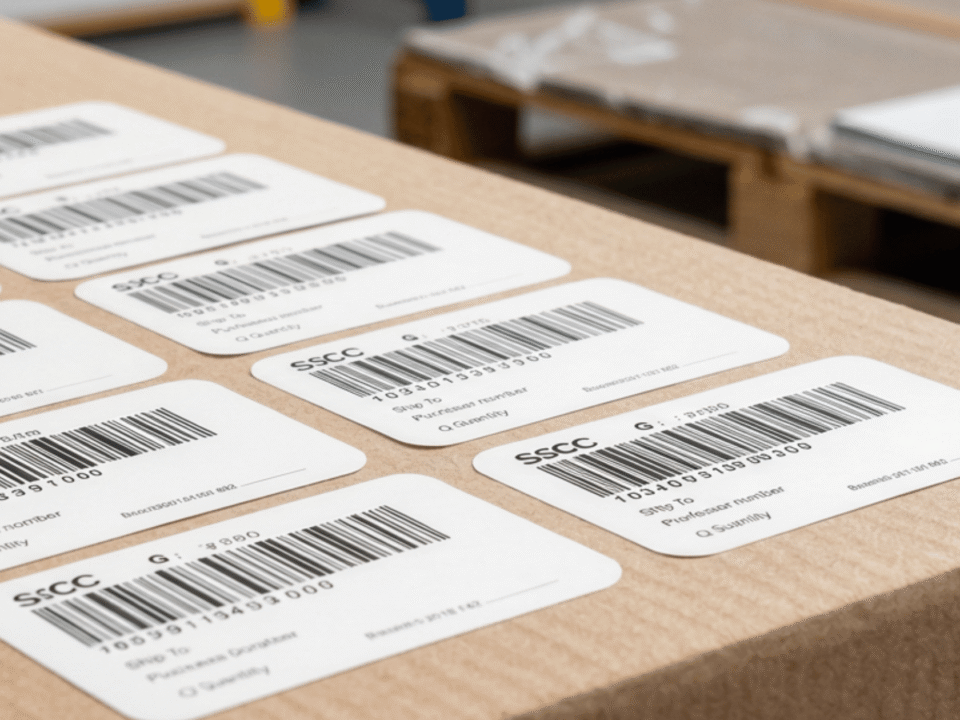
GS1-128 or ITF-14: Found on shipping cartons, boxes, and pallets, these codes help warehouses organize and ship large quantities.
GS1 DataBar: Used on fresh foods, this barcode includes variable details such as expiration date, batch number, or weight.
QR Code and Data Matrix: These 2D barcodes store more data than older formats. They can link to websites or digital information, allowing consumers to view sourcing, nutrition, or allergy details.
Why Barcodes Matter in Food Manufacturing
Food Safety and Recall Management
Barcodes are essential for food safety. They make it easier to trace defective food products if contamination or labeling problems occur. A quick barcode scanning process can identify where the issue started, helping remove affected products before they reach stores.
Inventory Management
Barcodes improve inventory management by providing accurate, real-time updates whenever an item is scanned. This enables better planning, reduces waste, and prevents overstocking or expired goods.
Quality Control
Barcodes record key points during production. They support quality control programs that use the FEFO method—first expired, first out—ensuring products are sold before their expiration date.
Consumer Trust
Consumers expect transparency. Barcodes on food packaging allow shoppers to scan barcodes and check ingredients, sources, or product origin. This improves transparency and builds confidence in the brand.
Implementation Basics for Packaging Lines
Barcodes work best when they are printed and placed correctly. The barcode type depends on the product and its packaging. Durable barcode labels printed with thermal transfer printers last longer in environments with moisture or heat.
Place labels on smooth and visible surfaces. Avoid folds, seams, or curved areas that make scanning harder. Test samples before shipping to confirm that each barcode scanned reads properly. Regular verification and mobile barcode scanners help confirm accuracy during production.
Compliance and Traceability
Food safety rules require products to be traceable from production to sale. The U.S. Food Safety Modernization Act (FSMA 204) and similar international laws rely on barcode systems.
Barcodes using GS1 identifiers create a shared global language for the food industry. They give access to product information at any step in the food supply chain, improving enhanced traceability and compliance audits. This improves overall food safety and reliability.
From Warehouse to Checkout
Barcodes enable real-time tracking across every stage of production and distribution. When items arrive, workers scan them to confirm receipt. During storage, barcode scanning keeps inventory counts current. Before shipping, barcodes confirm destination and track movement. At the store, products are scanned at the point of sale to complete the process.
This connected system keeps product information accurate and ensures smooth movement across the food supply chain.
Future Trends in Barcode Technology
Barcode technology continues to evolve.
GS1 Sunrise 2027: This initiative will shift from 1D to dimensional 2D barcodes that can hold more data, such as sustainability or certification details.
GS1 Digital Link: This system connects barcodes to online data sources, allowing real-time updates without changing packaging.
AI and Mobile Scanning: Artificial intelligence helps scanners read damaged or faded labels. New tools like blockchain traceability, RFID, and laser-etched barcodes also support sustainability goals.
QR codes and dimensional 2D barcodes will help consumers access reliable information with a quick scan.
Common Pitfalls and How to Avoid Them
Barcode systems fail when printing or scanning is inconsistent. Poor print quality, low contrast, or weak adhesive labels can cause errors. Moisture or cold can also damage barcode labels.
Manufacturers should use quality materials and test regularly. Outdated scanners that cannot read 2D barcodes often create problems. Regular maintenance and verification reduce scanning errors and ensure smooth production.
Measuring ROI and Continuous Improvement
Barcodes bring measurable results. They help shorten recall times, improve inventory accuracy, and save labor hours. Tracking these metrics helps companies measure performance and return on investment.
Barcodes also increase consumer trust by allowing digital engagement through QR scans. Combined with strong inventory management, these systems reduce costs and improve overall efficiency. Routine audits and updates keep barcode systems effective over time.
Bringing It All Together: The Barcode Advantage in Food Packaging
Barcodes are vital in food packing because they connect safety, traceability, and efficiency in one system. They protect consumers through better food safety, help manufacturers control inventory, and build trust through transparency. For companies preparing for the new 2D barcode standards, the question is not why are barcodes used for food packing but how to use them effectively to keep food operations safe and reliable.
Partner with AccuGraphiX for Reliable Barcode Solutions
Accurate labeling is the foundation of safe and efficient food production. At AccuGraphiX, we provide dependable barcode printing systems, labels, and verification tools that help manufacturers meet industry standards with confidence. Whether you need high-quality barcode labels for food packaging, 2D barcode setup, or compliance support, our team can help you find the right solution for your production line. Contact us today.