
Fewer Roll Changes, Lower Costs: Linerless Labels Benefits in High-Volume Logistics
July 26, 2026
GS1 Sunrise 2027: What Product Brands Should Know About 2D Barcode Labels
September 8, 2026
US companies that export goods to Europe face new rules for sharing product information. The EU Digital Product Passport links a product to a digital record. It can cover materials, origin, environmental impact, repair, and recycling.
These rules can apply to goods made in the United States. When a covered product enters the European Union market, the manufacturer and its EU partners must meet the applicable Digital Product Passport requirements.
What Is a Digital Product Passport?
A Digital Product Passport (DPP) is a structured record linked to a product, part, or material. It gives consumers, repairers, recyclers, customs officials, and regulators access to the product data they need.
The DPP is part of the Ecodesign for Sustainable Products Regulation, or ESPR. It supports product traceability and the circular economy. It also makes reliable data easier to share across the supply chain.
Why DPP Rules Apply to US Exporters
The rules depend on where products are sold, not where they are made. Once product-specific rules take effect, covered US goods must meet the same standards as goods made in Europe.
A US manufacturer will normally work with an EU importer. Their agreement should state who creates the passport, checks its data, registers the product, and keeps it current.
Which Product Groups Are Affected?
The ESPR can cover most physical goods, but the rules are being phased in by product category. Priority groups include batteries, metals, textiles, tires, furniture, electronics, and construction products.
Certain electric vehicle, light transport, and industrial batteries will need passports starting February 18, 2027, under the EU Batteries Regulation. Other product groups will follow separate delegated acts. An act’s adoption date is not its compliance date. ESPR rules usually allow at least 18 months to comply.
Core Digital Product Passport Requirements
Exact rules will vary by category, but several core requirements are known.
Product Data and Sustainability Information
A passport may include the manufacturer, model or batch, materials, origin, recycled content, carbon footprint, repair steps, and recycling guidance. The applicable act will define the required fields and who can see them.
Unique Product Identifier and Data Carrier
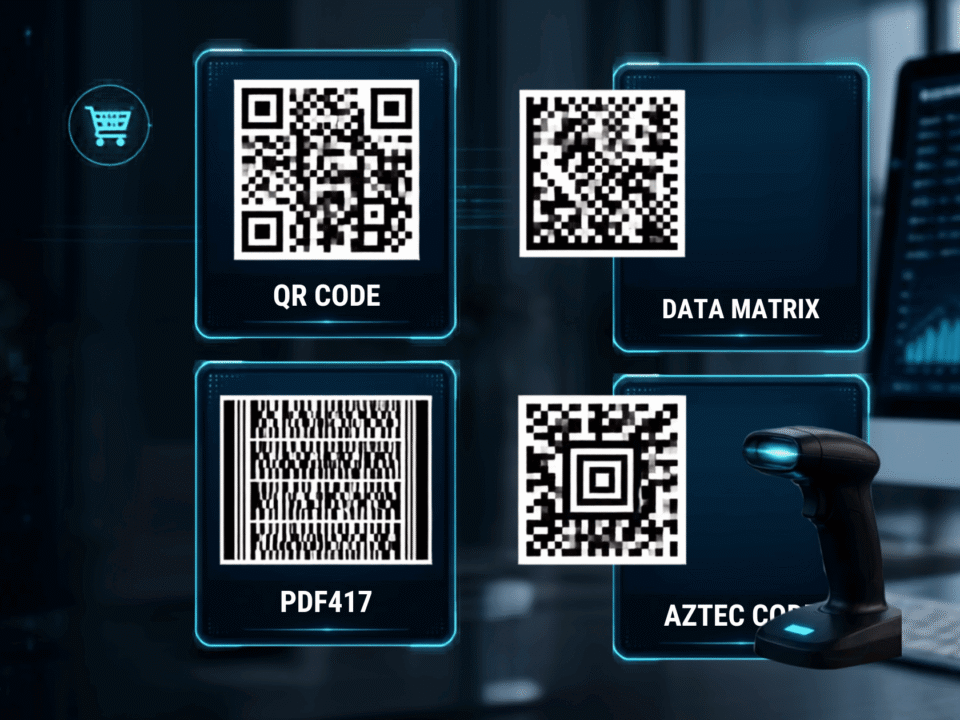
Each passport must connect to a persistent unique product identifier. A machine-readable QR code or other approved data carrier will link the product to its record. The final rule will set its format and location. A DataMatrix symbol may be an option when the applicable rule permits it.
A code is only an access point. Printing a QR code that opens a basic webpage does not create a compliant DPP.
Structured and Machine-Readable Information
DPP information must be correct, current, structured, searchable, interoperable, and machine-readable. The product rule will also state whether the passport applies to a model, batch, or single item.
How the DPP Registry and Customs Checks Function
The DPP Registry went live on July 20, 2026. It stores unique IDs and required registration details. The economic operator or a DPP service provider usually keeps the full product record.
EU customs can compare a covered product’s registration identifier and commodity code with registry data. Missing or incorrect information could delay or prevent market entry.
How US Exporters Can Prepare
US exporters can prepare with these steps:
- Confirm the EU product category and commodity code.
- Monitor the delegated act or separate regulation covering that category.
- Check the IDs used for each product, model, and batch.
- Map supplier, material, environmental, repair, and recycling data.
- Assign each task to the manufacturer, importer, or service provider.
- Test registration, scanning, access rights, and data updates before launch.
Starting early gives each team time to fix data gaps without disrupting EU sales.
Frequently Asked Questions
Are Digital Product Passports Already Mandatory?
Not for every product. Certain batteries will require passports on February 18, 2027. Other deadlines depend on product-specific rules.
Does Every Item Need Its Own Passport?
Not always. The applicable act will state whether the passport covers a model, batch, or single item.
Is a QR Code Enough for DPP Compliance?
No. The code links users to the record. The data, product ID, access controls, and system must also comply.
What Happens If an Export Does Not Have a Valid DPP?
Once the rule applies, EU authorities may stop a covered product from entering or being sold until the problem is fixed.
Prepare Your Product Identification System
Meeting Digital Product Passport requirements starts with reliable product data and accurate IDs. AccuGraphiX can create barcode artwork and labels after you define the required ID and data carrier. Contact us to discuss the barcode part of your DPP plan.