GS1 Sunrise 2027: What Product Brands Should Know About 2D Barcode Labels
September 8, 2026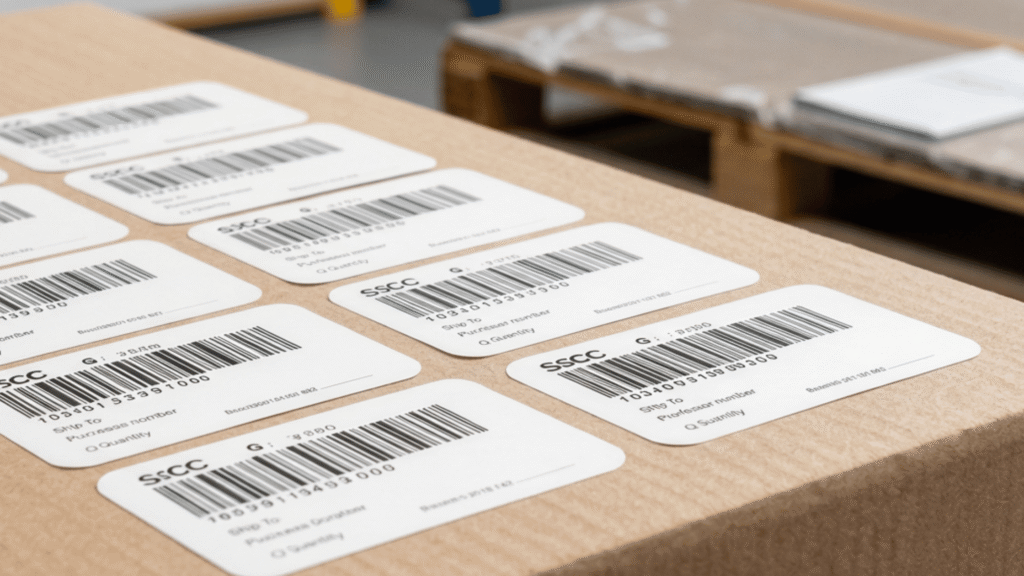
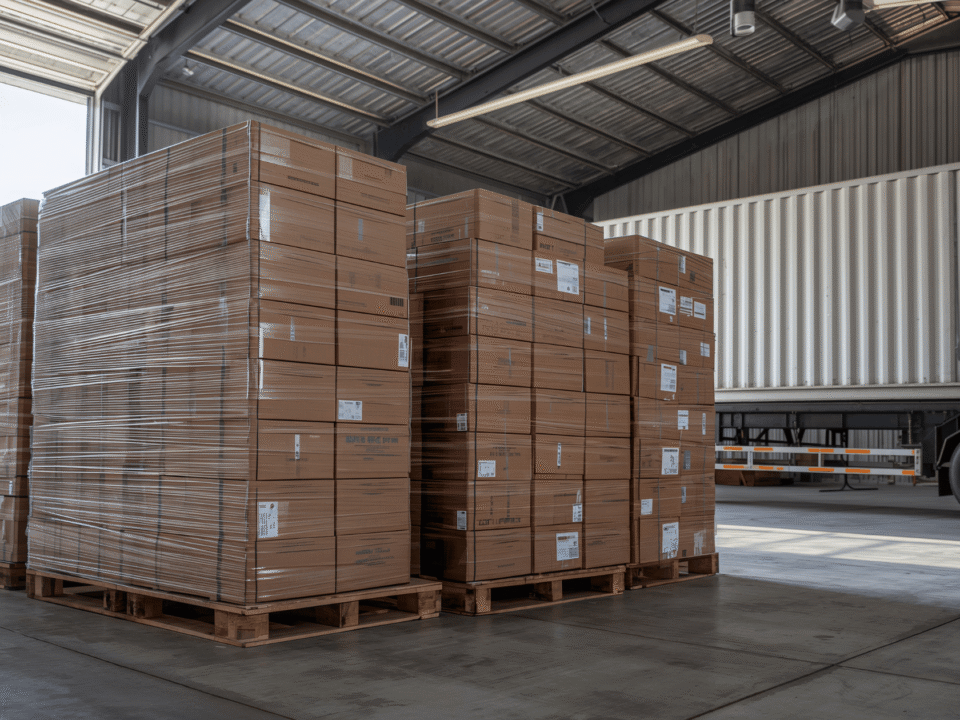
A supplier preparing several pallets for a retailer needs a predictable way to distinguish each shipping unit. Even when pallets hold identical products, each requires a unique identifier.
SSCC labels provide that identification. An SSCC, or Serial Shipping Container Code, is an 18-digit number assigned to a logistics unit like a pallet or master carton. The label shows the number and usually encodes it in a GS1-128 barcode for scanning during shipping and receiving.
What Is an SSCC Label?
An SSCC label is a logistics label that identifies one shipping unit as it moves through the supply chain. The unit may contain several cases of the same product or a mix of trade items assembled for transport.
The SSCC is the identification number. The label carries that number as a barcode and in human-readable form. In most cases, it appears within a GS1-128 barcode on a GS1 Logistics Label.
The identifier applies to the logistics unit, not the product type inside. If three pallets contain the same merchandise, the products may share the same Global Trade Item Numbers. Each pallet still receives a different SSCC because they are managed as separate shipping units.
How SSCC Labels Work During Shipping and Receiving
The process begins when the shipper assigns an SSCC to a pallet, master carton, or other logistics unit. That number is then linked to the shipment record.
Many trading relationships use an Advance Ship Notice, commonly called an ASN, to send this information electronically. The ASN may associate the SSCC with a purchase order and identify the trade items or quantities assigned to that logistics unit. The exact information depends on the retailer’s system and requirements.
When the shipment reaches the receiving dock, warehouse staff scan the SSCC barcode. Their warehouse management system uses the number as a lookup key to retrieve shipment information. This lets the receiver identify the arriving unit without relying on the barcode to hold a full description of its contents.
The SSCC does not contain the full product list. Its role is to link the physical pallet or carton to the correct electronic record. This connection supports receiving, reconciliation, internal movement, and shipment tracking.
What the 18-Digit SSCC Contains
The 18-digit identifier follows a defined GS1 structure. It consists of an extension digit, a GS1 Company Prefix, a serial reference, and a final check digit.
Extension Digit
The extension digit appears at the start of the SSCC. It increases the number of identifiers a company can assign.
The digit does not indicate packaging level. A specific value does not mean the logistics unit is a pallet, carton, or case.
GS1 Company Prefix
The GS1 Company Prefix identifies the organization responsible for assigning the SSCC. The prefix length can vary, which affects the number of digits available for the serial reference.
A company licensed for individual GS1 US GTINs does not receive the Company Prefix needed to create SSCCs. GS1 US states a business must license a GS1 Company Prefix before creating these identifiers.
Serial Reference
The company assigning the SSCC creates the serial reference. This portion distinguishes one logistics unit from another.
A controlled numbering system helps prevent duplication. Companies should avoid assigning fixed business meanings to parts of the serial reference unless their system and standards support it.
Check Digit
The final digit is the check digit. It is calculated from the preceding digits and helps detect number-entry errors.
You may see “00” in parentheses before the SSCC. This is Application Identifier 00. It tells the scanner the following data is a Serial Shipping Container Code. The Application Identifier is encoded with the number but is not part of the 18-digit SSCC.
You can review the complete identifier structure in the GS1 US explanation of Serialized Shipping Container Codes.
SSCC, GS1-128, and the Logistics Label Are Different
These terms describe related parts of the labeling process but do not mean the same thing.
The SSCC is the 18-digit identification number assigned to the logistics unit. GS1-128 is the barcode symbology used to encode that number. The GS1 Logistics Label is the complete physical label, which may include the barcode, readable text, addresses, purchase-order information, and other details required by the trading partner.
This distinction matters when a retailer asks for an “SSCC label.” The request may involve more than producing an SSCC barcode. The complete shipping label may need to follow a vendor manual specifying its dimensions, data fields, placement, and layout.
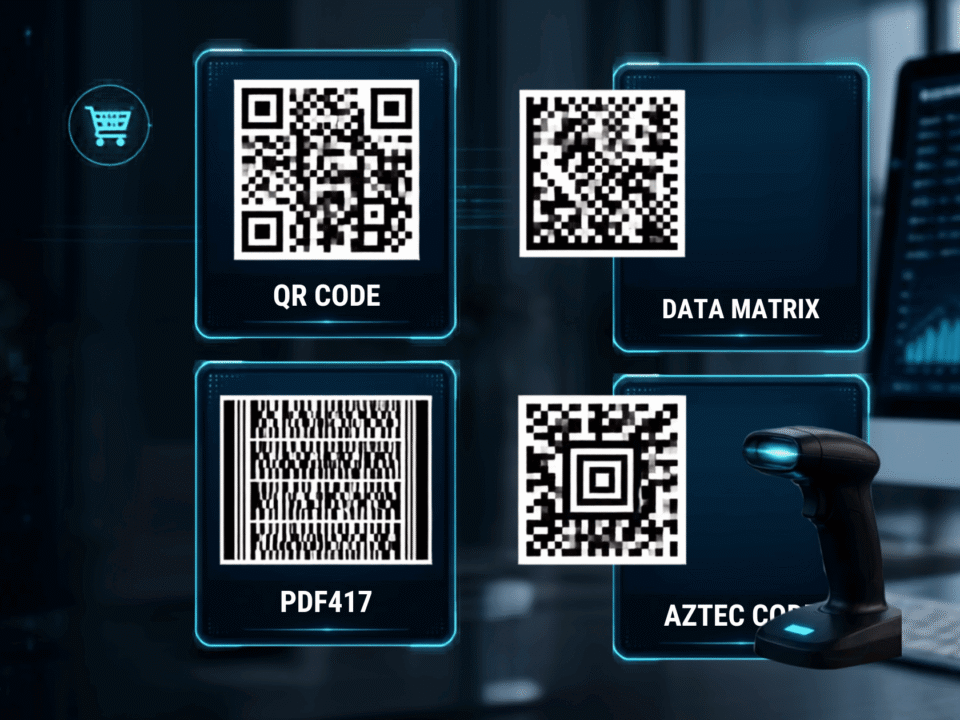
Other GS1 data carriers can encode an SSCC under applicable standards. GS1-128 remains a common format for pallet and master-carton labels. Businesses needing a closer explanation of the barcode format can review AccuGraphiX’s information about GS1-128 and GS1 DataMatrix barcode options.
How an SSCC Differs From a GTIN or UPC
A GTIN identifies a trade item. This could be a consumer product or a specific case configuration offered for sale or distribution. A UPC barcode commonly carries a GTIN-12 for scanning products at retail checkout.
An SSCC serves a different purpose. It identifies a single logistics unit assembled for transport or storage.
Suppose a manufacturer ships four pallets containing the same cases of one product. The product and case identifiers may remain consistent across the shipment. Each pallet receives its own SSCC so the warehouse can track and receive it separately.
When a New SSCC Is Required
Each independently managed logistics unit needs a unique SSCC. Two separate pallets should never share one identifier, even if their contents match.
If a pallet is broken apart and goods are repacked into new logistics units, each new unit needs its own identifier. The first SSCC belonged to the earlier physical configuration.
A pallet may carry identical copies of its SSCC label on adjacent sides when placement rules require easier scan access. Those labels represent the same pallet and should display the same SSCC. A second pallet requires a different number.
Requirements for assigning and reusing identifiers depend on current GS1 standards and trading-partner rules. Check specifications before building an internal numbering policy.
Label Placement and Print Quality Affect Scanning
A correctly constructed SSCC can still cause receiving problems if the barcode won’t scan. Poor contrast, damaged label material, folds, or printing defects may block barcode recognition.
Placement also matters. The label must remain visible and accessible while the shipment is handled. It should not wrap around an edge or be where pallet construction, stretch wrap, or other materials obscure the barcode.
The barcode also needs adequate quiet zones around the symbol. These blank areas help the scanner detect where the barcode begins and ends.
Retailers and distributors may set additional requirements for label size, positioning, text, and encoded data. Review the current routing guide or vendor manual before creating the final label. The printed SSCC must match the number sent through the ASN or another electronic shipment record.
Common SSCC Labeling Mistakes
Duplicate identifiers create a clear risk. If two pallets receive the same SSCC, the warehouse system may not determine which unit was scanned.
A mismatch between the label and ASN can cause a similar problem. The receiver may scan a valid barcode but retrieve the wrong record or find no matching shipment info.
Other errors include an incorrect check digit or improperly encoded Application Identifier 00. Poor print quality can make a correct barcode unreadable. A label may also fail if its layout does not follow the retailer’s routing guide.
Depending on the receiving operation, these problems can cause manual processing, delays, or rejection of the affected logistics unit. Barcode verification and careful proof review can catch many issues before you apply labels.
What You Need Before Ordering SSCC Labels
Start with requirements from the retailer, distributor, or shipping provider. The vendor manual often determines necessary label fields, dimensions, and placement.
You may also need your GS1 Company Prefix and shipment data to build each identifier. Confirm whether you need finished labels or a PDF for in-house printing.
The number of unique SSCCs should match the number of independently managed logistics units. Account for duplicate label copies on different sides of the same pallet without assigning another SSCC.
Prepare SSCC Labels for Your Shipping Requirements
AccuGraphiX can help prepare SSCC labels based on your retailer or distributor requirements. We can review your vendor manual or label specifications and identify the needed information.
We provide a customized spreadsheet for your data and create a label proof for approval. Once approved, we can print and ship the labels or provide a PDF for in-house printing.
Our SSCC logistics label service uses 4-by-6-inch white paper labels with permanent adhesive for pallets and master cartons. Send us your vendor manual or label requirements to get started.